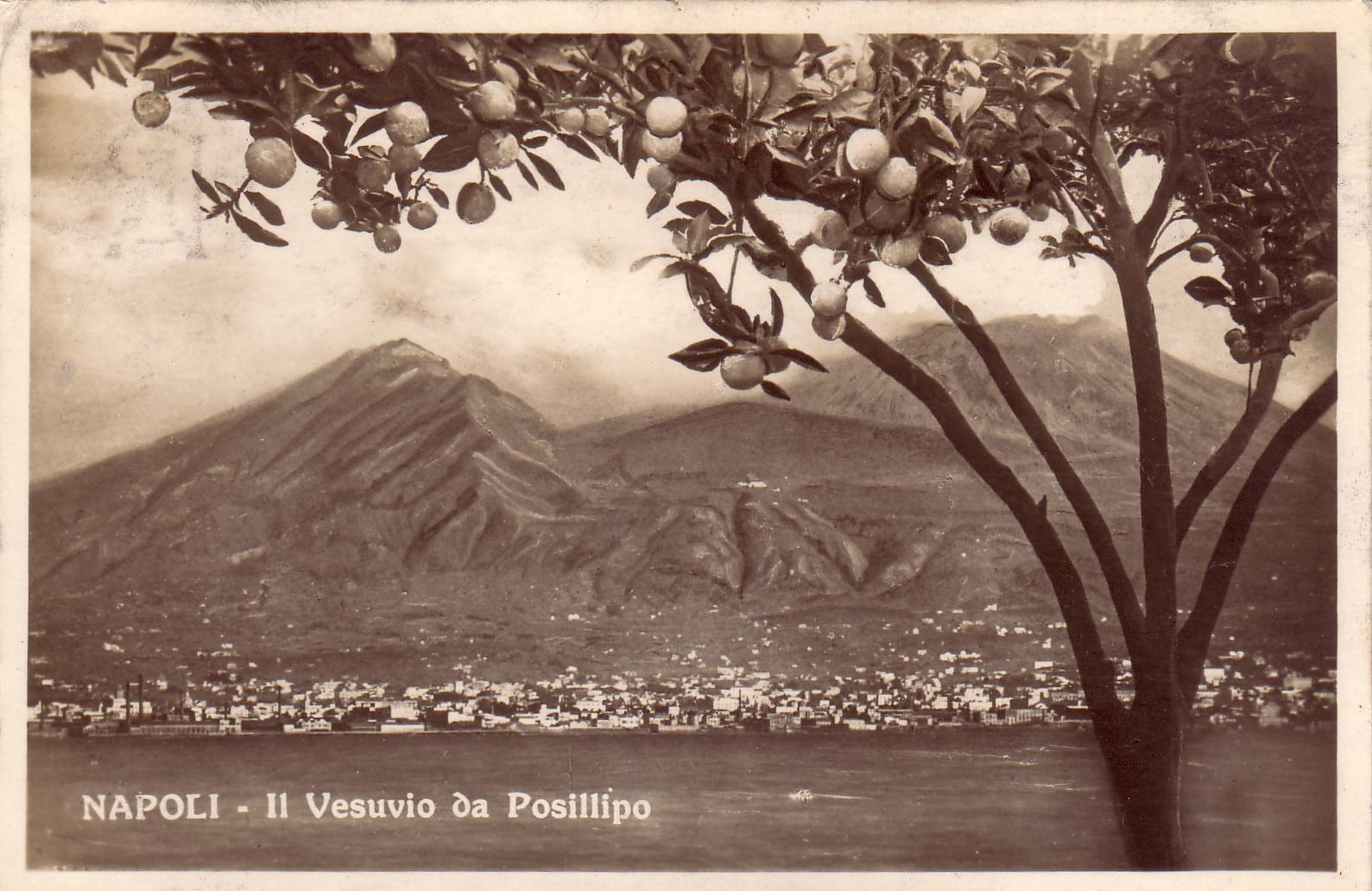
Saturday, April 25

Rome: The Vatican and Piazza di Spagna


Bath in the big sauce pan 8 inches high at 7:30. Expected b’fast at 8 as I heard Miss Wood tell the maid, but I got interested in reading Baedeker* and it was 8:20 before I realized the time.

Rang for the maid and breakfast came about 8:30. Studied my Italian grammar book while eating. Started to dress and Miss Wood came and invited me to go with the school girls to the Vatican. I hurried and we started at 10 A.M.

Rode in the No. 16 train to St. Peter’s, then took a carriage and rode to the Vatican. Went to Sistine Chapel. Met Mrs. Bell and had a nice chat with her. She is on crutches as she slipped and sprained her foot.

Then we went to see Raphael’s Stanzas** but there was such a crowd - this being a free day that we could not see much - besides they wanted to get back to the pension as they leave this afternoon. I came with them. We took a carriage - cost me a franc. A letter from Florence Humphrey. She has moved back to Pension Le Lune*** and is feeling better.


About 3 P.M. I started for Piazza di Spagna to see about taking the sight seeing trip with Dr. Edmiston. Went in the 14 train. Found a 10 cm. piece in the street. Shall keep it for good luck. Got $10 changed. Found the excursions were given up for the present as no on had booked. Walked home following st. car line. Read London Daily Graphic about our war with Mexico.


*Travel guide published by Karl Baedeker
**Pope Julius II Dell a Rovere commissioned 25 year old Raphael Sanzio in 1508 to paint the frescos in his four room apartment on the top floor. Three of the rooms were of modest dimensions, while the fourth one was considerably larger; with the completion of the work, the rooms became known as "The Raphael Stanze" .
***In Florence.

Friday, April 24

Arrived in Rome


Got up at 6:45. Dressed and packed leisurely as I went along. All through by 8:20. Had b’fast but porter came and said I must leave so got off at 8:50. Took single carriage and porter went with me.

Saw my trunk weighed and registered. Train full, but new cars were put on and I got a seat by the window. Five men in the coach. All behaved well. Mrs. Dickens gave me a lunch which I solemnly ate at one o’clock.

Saw the remains of the aqueduct coming into Rome.

There were clouds in the sky and the ride along the Apennines was rarely beautiful, beautiful all the way from Naples to Rome.

Got a facchino* and got my things and started in a carriage to Miss Schnabe. Found she had gone on her vacation leaving a Miss Margaret Wood in charge. She gave me a pleasant double room with a balcony looking out in the garden. She sent tea in to my room and I unpacked some of my things.

Dinner at 7:30. Put on my black silk with blue collar and cuffs. Sat at Miss Wood’s table with four other women - all English I think. Met Miss __, the English teacher Florence knew with her four girls.

Went into the reception room after dinner and read The Daily Graphic** and learned from that Pres. Wilson has sent a force to Mexico to demand apology from Huerta for insults to our flag and people. Congress voted him $50,000.

Washed my hair-terrible job as the water is hard. Slept very well.

*porter
**The Daily Graphic was a daily London paper launched in 1880 and merged with another paper in 1926. It was the first illustrated paper.

Thursday, April 23

Last Day in Naples

Tired so did not sleep well. Therefore did not get up till 7:30. Had late breakfast in my room and packed my trunk till 10 A.M. Miss Ferris came in for a few minutes.

Started out about 10:45 to go to museum by No. 6 car from Toretta. Went to wrong place-finally found it-got the car - had a beautiful ride and was carried away past to end of line. Had to come back in car - got there about noon. Spent all the time looking at the Pompeian exhibits.


Stayed till 1:45 - then left and went to corner - waited for car; none came - asked several persons. Some spoke neither English nor French - point to another corner - finally discovered that cars were not running.

Took a carriage to Am. Express. 1 franc. Bought 2nd class ticket to Rome.


Read in reading room that Congress had voted the President fifty millions for war preparations against Mexico. War ships ordered there on account of insult to flag. [US occupation of Veracruz]

Bought a string of coral beads for Marion Kennedy and a thimble. Also postal cards of Naples.

Walked home from American Ex. Co. - pretty tired. No lunch. Packed my trunk. Miss Ferris came in. After dinner finished the trunk. Paid Mrs. Dickens in full.

Wednesday, April 22

Last chance for Pompeii

I felt quite tired when I woke but I made up my mind I would go to Pompeii as it would be my last chance. Caught the 10:30 train but could not get a seat by the window. Sat down outside the entrance gate & read Baedeker.


Made up my mind to ride in a chair which I did. The men stopped every few minutes so the distance I covered in two hours was not great. Went through the street of Tombs and also into the house of Diomedes which is a wonderful one and saw the reservoir.


The hour was up but I took then another hour and went into the new part and saw three houses. - Saw the pot over the fire and the five skeletons lying as they were found. Vesuvius is so far away that it seems as if it were impossible for it to have caused this disaster. Paid the men 1.80.


Then walked to the last house, ate my lunch at 2 P.M. Train left at 3:30 so walked to station. Train was late, did not get to Naples till 5 P.M. Then walked for an hour along the street to see the shops and people. Finally took No. 3 train and came home.

Found a letter from Florence Humphrey. She has moved again to Pension Le Lune. I lay down till dinner. A brother and sister from Canada are here. Four languages are heard at the table-French, English, German Italian. Very tired. Mrs. Dickens does not move till Saturday.

Tuesday, April 21

Reading "The Last Days of Pompeii" in Naples


I spent the morning looking over my trunk re.tearing up papers. In the afternoon, I was going at 3:30 with Miss Ferris to ride to Posillipo, but she had to wait for a dress maker and for afternoon tea, so it was 5 pm before we started.

We rode a short distance which proved to be the end of the car line. Then we got out and walked a few steps, but Miss Ferris didn’t like it so we got into the car again, this time in the closed part and were soon back at the pension. There we took a short walk to Toretta to do an errand and walked back.

Major and Mrs. Rogers left today for their home in Malta. They turned out very pleasant people after all and we exchanged addresses. I gave Mrs. Rogers the new buffalo nickel and the new Lincoln penny.

Came to my room soon after dinner and read The Last Days of Pompeii [1834].

War began in Mexico. Vera Cruz taken.

Monday, April 20

Naples Aquarium and Shopping (no Vesuvius)

I planned to go up Mt. Vesuvius today but Dr. S who is here and knows Naples thoroughly told me he did not think I would see the crater at all as there has been so much smoke. [Previous major eruption in 1906]. He did not believe the guard would let anyone approach near the edge. So I gave up the trip.


Miss Ferris and I went out. I went to the aquarium and spent almost two hours there. Very interesting.


Lay down after lunch. About 4, Miss Ferris and I started for the Cinematograph, but after we got there Miss Ferris did not like the advertised subject so we did not go in, went to Cook’s American Express Co. and to lots of stores. Bought a little blue pin for 4 francs as a souvenir.

Walked home alone through the Park. Miss Ferris rode.

Spent the evening in the drawing room with Major and Mrs. Rogers who go back to Malta tomorrow. Miss Claire Ferris was there too.

Letter from Miss Wilt - she has lost her fountain pen. She is well and at a nice pension.

Sunday, April 19

Naples and Villa Nazionale

Had Breakfast in bed - got up late – went to the English church with Miss Ferris. The acoustics are so poor that I could not hear well.

We walked home through the Villa Nazionale.


After dinner rested in my chair by finishing my letter. Then went out with Miss Ferris.

We were going to the aquarium*, but instead we sat in the upper verandah of the café and had an ice while we listened to the band and watched the crowd. We walked home.


Wrote to Alfred after dinner. Dinner was a very good one.

Had a postal from Miss Schwabe. She expects me there Friday, the 24th.

Ultimatum sent to Huerta to salute the US flag by G.P.M. on invasion. [The Tampico Affair]
(Fact learned from Daily Graphic at Miss Schwabe’s in Rome.)

*The Naples Aquarium, founded in 1873, was the first aquarium opened to the public.

Saturday, April 18

Day off in Naples, shopping

Was tired so took my sponge bath and had breakfast in bed. Got dressed about ten. Washed out 7 h’chiefs.

Expected to go to Mrs. Dicken’s new house with her, but she had asthma so badly that she could not leave the house. Miss Ferris came in and invited me to go down town with her which I did.

She went to the Cunard office and then we wandered among the shops and came back to lunch. Sat by my window and wrote to the dear family.

Miss Ferris invited me to walk into Park and go to the shops which I did. We had a pleasant walk, stopped to hear the band play a selection and watch the people. Paid 2 cents for a chaise. Went into a couple of shops and gazed into many shop windows.


Bought some antiphlogistine* for Mrs. Dickens and later put some on her. It was hot and she said it felt good. Did not go into the drawing room but wrote a long letter home.

*Antiphlogistine: Medicated Poultice is a time-proven Kaolin clay poultice that provides temporary relief from muscle strain, sprains, etc.

Friday, April 17

Naples and Capodimonte Museum


I had a good night’s rest. My tooth is better. I still have no watch so Amelia called me. Miss Wilt came in before I was dressed, I gave her all the change I had - 20 liras. They left for Rome and I went to the carriage to see them off.

Had b’fast with the English doctor. I came into my room and I am writing this up and doing various odds and ends. Had a nice letter from Peggy* and one from Alfred* - my first letters from the children.

Puttered all the morning-went out into the office and found Mrs. Dickens there. She was suffering badly from asthma. Miss Ferris came in and we had a long talk.

After lunch, came in and wrote to Florence Humphrey - then went out with Miss Ferris. We went to Capodimonte.**


Coming back, met the English doctor. The table was full tonight at dinner. I sat next to the young English fellow who came yesterday and we talked fishes almost all the time. Spent the evening in the drawing room. Got my watch back.

* Peggy (Margaret) and Alfred, two of her children.
**The Palace and Museum of Capodimonte is a grand Bourbon palazzo in Naples, Italy, formerly the summer residence of the kings of the Two Sicily’s. It houses the main museum and art gallery of the city.

Thursday, April 16

Back to Naples from Amalfi

Miss Wilt, Miss Peet got up before six, I a little later. Dressed and went out again on the top. Saw the big kitchen and watched them prepare vegetables, butter. Looked into the cloister. went out on another roof and looked at the terraces with oranges and lemons. Then went in the big grand colonnade, the long walk cut out of the rock and covered with grapes, roses, lemons and with quantities of beautiful flowers everywhere. You get a beautiful view of the sea. It was absolutely charming.


Had b’fast in the refectory at 7:15, bread toast and coffee brought in little pots with separate pitchers of hot milk and honey. I had a boiled egg. 5 cents. Then we went into the chapel and saw a crèche which was certainly peculiar and not wonderful with all its little figures all dressed in clothes. Went into the cloister, in fact, walked everywhere I could to see what the old monastery was like. Saw the little tiny rooms-was certainly enchanted with it. Saw Mrs. Sangster and Mrs.Coffin there, 2 of the Princess Irene passengers on the way to Istanbul.

Started at 9 for Sorrento, a hot and interesting drive, but not beautiful as the sea was grayish and there was no wonderful coloring. Got to Sorrento at one. Driver tried to make us pay 4 francs to see Miriam Crawford’s place* but we wouldn’t; reduced it to 2 francs but we wouldn’t.

Went to Hotel Tramontano** which is a beautiful place. We were all tired but a cup of tea and toast, some bouillon and stewed fruit made us all right. Had to pay 7 ½ francs for that but as Miss Wilt said it was worth it to see the hotel where sixteen Kings, Queens, Emperors and Empresses had stayed. The gardens were beautiful. Saw a bed of Baby Blue Eyes, Nemophila, California wildflowers.


Went up to the shops where I bought some inlaid boxes. Had a lot of fun over buying a box for Miss Peet who got her cheek cut looking for Miss Wilt’s handbag so Miss W. and I said we would get her a tip. She picked out a little box which I wanted to give Miss W. a little stamp box-then they gave me one, a franc a piece. I shall always keep mine. Then I bought a blue silk sweater, cheap one. 3.60 but it will do.

Went down the lift and found the sea rough. Got into a small boat and the boatman rowed us out to meet the boat from Capri. The sea was so rough that Miss W. was dreadfully frightened. Finally got in boat and had a beautiful sail into Naples. Got into another small boat and had another row with the boatman over what I don’t know. Two other men passengers, Germans got mad and there were great curses...

We [arrived?] on land and went off as fast as we could. Got in car and had to stand up all the way and had a good time getting the conductor to know just where we wanted to go. Had a very nice dinner. The English people gone. Ten new ones here. Went into the drawing room and showed Miss Ferris and the English mother and daughter my purchases in Sorrento. Miss Wilt, Miss Peet came in and I showed them my things also little John’s pictures.***

*Francis Marion Crawford (1854-1909) Italian-born American prolific author and historian wrote the Saracinesca Trilogy: Saracinesca, (1887) Sant' Ilario, (1889) and Don Orsino. (1892)
**Imperial Hotel Tramontano in Sorrento
***John Hincks, her first grandchild, son of Percy and Hazel.

Wednesday, April 15

Drive from Naples to Amalfi Coast


View Larger Map

It was not very clear so I wanted to postpone the trip. but although the English people at the table were going tomorrow and had an extra seat, they would not ask me so decided to go with Miss Wilt and Miss Peet.

We met at breakfast and they went off early for time to shop and do errands. Wrote a note to Miss Schwabe - telling her I would like to come the 24th if I could go around with the guests of her pension but did not wish to go sightseeing alone. Got started by 11.15 but no train in sight. Sent for a carriage. Didn’t come.

Miss Ferris, a nice American girl from Stratford came along, said “Go by train” so I got into the #2 didn’t go to the station, got out, saw my carriage, ran after it, got in in front of Mrs. Dickens and rode to the station, 2 ½ francs per person-a franc too much. I got there at 12:05.

No Miss Wilt – stood waiting - no seats - asked if this were the right station - “si si” finally two minutes before train time they came and we all rushed to the train, got in helped by an old man who had to have tip, ate lunch on train, changed cars, got on a local, went to La Cava.

Cook’s man met us, put us in carriage, two horses and we started. Rode into an alley where driver’s relations came out and helped him get ready, got him a whip, a coat, a hat. At the next turn, he had a great parley – loud voices and we had to get into another carriage.


We drove to Ravello and then to Amalfi. The drive was beautiful with the sea on the left and the interesting country on our right. The mountains are all terraced and the terraces held in place by stone walls usually lots of bollins of solid cement or cement covered with panels filled in with loose or fitted rocks.

These terraces connected by stone steps usually …planted with lemon trees which were covered by matting supported by long poles or else there were oranges or olives everywhere but the mountains were steep and rocky. A number of interesting wild flowers most of which I knew at least by family.

Interesting old relics, old towers and other ruins - queer houses of the peasants, children begging everywhere holding out itching palms. We would not give. As Miss Wilt said, “It goes against my principles.”

Beautiful views and colorings in sea and land. Beautiful drive winding up the valley to Ravello.


Up there we went into the Cathedral and saw the pulpit on six lions-“3 lions and 3 lionesses” also opposite Jonah being swallowed by a whale which looks like a dragon on one side. Jonah going down head first, in the other coming out head first so he must have turned around in the whale as Miss Wilt said.


We walked to a garden and they wanted 60 cents to see it. And we wouldn’t, besides we wanted to get to Amalfi by daylight. Decided to go to the Capuchin Hotel. Drove there, found it was full, but they said they would put us in the reading room so we went up and then went out in the dome and explored around.


Had a very nice dinner and then went up stairs and walked on the magnificent terrace where we could see the lights of Amalfi in the distance. Brought some postal cards as I am keeping these for souvenirs. Finally went to bed about eleven. Our beds made of 3 lounges-four chairs for each bed. They were most comfortable-Too tired to sleep well.

Tuesday, April 14

Visiting Capri


Got up before seven. My tooth pained me a good deal in the night. It has a great gum boil on it.

Had b’fast before eight with an egg. Got ready and started off with Miss W and Miss P before 8:35. Went in train No. 3 to San Lucia. On the way stopped to get tickets from Paglieri’s for Capri. Paid $3.15 for those.

Took small boat to steamer and met a pleasant Chicago woman who was traveling alone so took her with us. We had seats in the back and changed to the front of the boat. Stopped at Sorrento - then went on to Capri and to the Blue Grotto which is wonderful. Stayed there about three minutes.


Then to Capri where Miss Peet and I had difficulty in landing on account of the protestations of the boatmen. Got a carriage and drove to the top, then went into some shops where I bought a fan and two coins - the others postal cards. Then we were advised to take a walk to see the view.

We went between two high walls and could see nothing but the sights in the streets - walked and walked - finally road apparently ended in a house so we turned and came back, went into an old church very queer.

Got into a carriage, rode down passed the oldest church [Chiesa di S. Costanzo] in this part of the country. It is white with 4 white towers…back to boat. Sat in the boat looking at view. Finally got so cold we went to the stern.

Got in at 6:30 went to see agency about tickets for Amalfi drive. Will take us three for $27. We had our lunch on the steamer before getting off at Capri.

Found a letter from Florence. She has to leave her place and is at a doctor at Fiesole. She wants to take a house at Asolo near Venice for a week.

Monday, April 13

Travel Planning and Naples Museum

Got up in time to have b’fast with Miss Wilt and Miss Peet. I hate these English b’fasts and I am to have an egg after this.

Went with them to American Express Office which was closed and then to Cooks where I cashed $10 check and then they inquired about the Amalfi trip. We met the Maims and the Torchkiss at Cook. We went to the Museum and had a guide who showed us the bronzes from the Mediterranean and Pompeii.


Then I took a train back and got here at 1.20, had lunch and talked an hour or so with a Miss Ferris who used to live in Stamford, Conn.*, a guest in the house.

Then I took a book by Anna K. Green, The Woman in the Alcove, and lay down and fell asleep.

Mrs. Dickens came in to tell me that Mrs. Hodgen and her daughter and Pen were there so I had a pleasant chat with them. They go to Rome tomorrow. At dinner we had a funny time but we did get along all right. Miss Wilt did not come to dinner but Miss Peet did and I went down to see her afterwards. Pen had been on the Amalfi drive and told us about it - expensive. We decided to go to Capri tomorrow if the weather is good.

No letters.

*Jennie’s father, Richard Thurston was minister in Stamford and died there in 1895.

Sunday, April 12

Posillipo and Hotel Bertolini*, Naples


Easter Sunday

I could not tell the time so I did not know when to get up but I decided to have my breakfast in bed. I stole out and put a note under Miss Wilt’s cup and ask her to come and see me. It was then 5.40. Took a sponge bath - waited for the maid - rang and she brought it in at 8.20 - coffee, rolls, marmalade and I had a big apple too.

Then Miss Wilt and Miss Peet came in and we had a talk over plans. They are going sightseeing but I can’t - too tired. Dressed and started for San Pasquale**, the street of the English church. The conductor carried me beyond but I walked back and was a little late in that account.

Big bunches of calla lilies and white fleur de lis. The acoustic properties are not good and I sat in the rear so I lost a good deal. Walked home through the Park. Found letter from Pen and one from Mrs. Hodgen apologizing for hurrying away from the pier. They went to Pompeii Friday afternoon and then took the Sorrento drive. Reach Naples tomorrow AM and leave for Rome in the PM, asked me to go but can’t. Wrote Mrs. Hodgen to that effect.

At 3.40 Miss. Wilt, Miss Peet and I went out to drive. We went to Posillipo, Vomero, Via Tasso to Bertolini’s.* Beautiful views of the bay and surrounding country and of Vesuvius.

Then to Bertolini’s*. We went up in the lift and had tea on the broad piazza. It certainly was a wonderful view. Finest in the world, Florence B.*** says. The trains do not run today because it is Easter so we kept our carriage and rode home reaching there at 6.40.


Put on my black silk for dinner. Sat next to a man who has been twice in America. We had a nice family party at supper and talked about everything. Very nice dinner. I only ate a little. Miss Peet did not come to dinner so after dinner I went to see her. Trip cost 1.24 each.

*Bertolini’s Palace Hotel in Naples, no longer in existence as such. Here is its current incarnation
** Christ Church, Via San Pasquale a Chiaia 15b
***Her sister

Saturday, April 11

Naples and Pompeii


Slept well. I suppose I awake early but having no watch, could not tell. Still I got up, looked up clean clothes re. waiting for the maid to bring hot water. Finally as no one came, I dressed.

Someone knocked and the maid asked if I was going to Pompeii. I said yes. Found out it was 8.40 and everyone through b’fast. Hurried and ate mine. Then Miss Wilt and Miss Peet came at 9 and I got my things out and sorted.

Saw the Bates there. Miss Wilt bought the tickets and we got in the train. Had a pleasant ride out. Cost 83 cents each and 50 cts. to get in.

There we wandered all day amid the ruins of Pompeii. Ate our lunch in the house of Pansa. Saw several people from the boat among them Mrs. Merrill. We went without a guide.


I got very tired, came out to the train-car station, bought our tickets on the train and came into Naples. After waiting long time, got a no. 4 train. Rode to Toretta [Torretta] and then walked home.

I was so tired, I went to bed at once and had soup and bread and some kind of greens brought in. Went to sleep before nine. Woke up again in the night and I am sitting here writing. Mrs. Dickens lent me her watch but it doesn’t go. She took mine to be repaired.

The tooth Dr. Gates reset is bothering me a lot. Has a big gum boil on the side.

No letters.

Friday, April 10

Arrive at Naples


Slept pretty well - but woke up before seven. - Had my hot salt-water bath - dressed, finished packing - paid my fees and bills, said goodbye to everyone I knew. Gave the two baskets of fruit to a girl in the steerage - watched Ischia and the shores of the bay and Mt. Vesuvius and then the city of Naples until we came into the dock.

Pen saw her friends and went off with them. We could not find the porter with Alexandra Hotel in his cap and I asked another man who said he was his brother, but I wouldn’t go with him and we had a great time. Cook’s man got mixed up in it and the Metropole man and the Alexandra man who was very small and spoke French. He said they could take Miss Wilt and Miss Peet and Mrs. Merrill.

They took us through the customs - they never examined a thing - and we got into a carriage and drove it seemed for hours till we came to Via Margellina and the Alexandra House.* On the third floor we found Mrs. Dickens who was very nice, stout, short-hair elaborately done up. She said she could take Miss Wilt and Miss Peet, but not Mrs. M. but said she could send her to a nice pension near by.

I have the same room Florence** had - a double window, huge wardrobe with mirror door, two beds, light stand, huge bureau, washstand for two oblong tables, easy chair, two small ordinary chairs and two electric lights. Very comfortable. We had lunch, a very good one and then we went to see Miss Wilt’s room. It is on first floor and seemed damp, double bed in it, wardrobe, washstand. There is a porter at the door who sits in the place and there are broad marble stairs, an elevator which they charge 10 cts. to use.

Went to see where Mrs. M. is, block from here, very nice. Then they sent to Cook’s for mail and I came back and lay down till six when I got up, unpacked some of my things, changed for dinner. Felt much better and less homesick. Had a nice dinner, six courses. After dinner Mrs. Dickens gave us a paper to fill out for the police. We talked a while. Mrs. Merrill’s friends had come from Constantinople. I had a letter from Florence. She is at another pension. Tells me to take my time which I will do.

*Probably Alexandra House, 37 Via Mergellina, Naples. English Pension.
**This is her older sister, Florence Humphries, with whom she eventually meets up.


View Larger Map

Thursday, April 9

Sailing to Naples on the S.S. Princess Irene


Mediterranean Sea

Heavy wind. Steamer pitched a good deal. Almost every one felt it. I went to breakfast but did not go to lunch. I had bouillon and crackers on deck. Sat in steamer chair and rested. Watched the coast of Sardinia with Miss Peet and Miss Wilt and the McInnises. Went to the barber’s with Pen and chose some prints to be struck off of passengers I wanted. Pen packed her trunk late this afternoon while I wandered around.

It was the Captain’s dinner tonight and the dining room was all decorated with flags and it was very pretty. We had a dinner in courses and I took almost every course. It was delicious. Mrs. Rothschild offered us both champagne, but I wouldn’t take any and Pen only a little. Then the waiters marched in bearing lanterns and wonderful dishes all lighted up with little moulded figures chinamen carrying paper umbrellas. It was very pretty. The lights went out - the lights on the light houses revolved and at the back of the dining room came out the words in electric lights. Auf Wiedersehen.- Au revoir. We cheered the captain and sang, “For he’s a jolly good fellow” and he made a little speech. People swapped bon bons and paper caps---and fastened them in with flags. It was a beautiful dinner and a pretty sight. I wore my Percy wedding dress* and Pen her pretty pink. Then she danced once but we came down early. Pen went to bed and I am packing my trunk and I’m awfully tired. Good night.

Found the steward at 12.30 and got him to bring me a pitcher of hot water and a cup and spoon.


*Her son, Percy, had been married in 1911.

Wednesday, April 8

About Jennie King Thurston Hincks


By Jane Morse Bower

The following account of Jennie Hincks’ life is brought together from various sources. Particularly helpful is a book of family genealogy written by Jennie’s daughter, Margaret Hincks Morse (who was also my grandmother). As well, a recently published article on John Howard Hincks in an Atlanta University publication, Phylon, shed light on her time spent in Atlanta, Georgia.* I am indebted to the Thurston genealogy found on the internet for information about Rev. Richard Thurston.

Jennie King Thurston (Jennie) was born in Waterville, Maine, Oct 2. 1855. Her father, Richard Bowers Thurston, had been born in Charlestown, Massachusetts June 28,1819 and her mother, Jane Miller Pierce, had been born September 14, 1823 in Oswego, New York. Her father graduated in the first class from Bangor High School, Maine, in 1837 and from Bowdoin College in 1841, going on to theological seminary in Bangor. Rev. Thurston was ordained in Waterville, Maine in 1846 in the Congregational Church. Mrs. Thurston was amateur landscape painter.

Jennie was the middle child, having two sisters: her older sister Florence Bowers Thurston (born in Waterville, Maine, March 3rd, 1849) was in Italy at the same time as Jennie, while her younger sister, Marion Percy Thurston (born in Waltham, Massachusetts March 25, 1863) was living in Palo Alto. (There was also a son who died in infancy.) Rev. Thurston moved from Waterville Maine to Chicopee Falls, Massachusetts the year that Jennie was born and then to Waltham two years later. He ended up in Connecticut; Stamford, Fair Haven, and finally Old Saybrook. He is remembered for a prize essay, “Error and Duty in Regard to Slavery” written in 1857.

In Stamford, Connecticut, Jennie attended Miss Aiken’s Young Ladies Seminary, and then went for two years to Mrs. Garretson’s English, French, and German Boarding School for Young Ladies and Children at 52 West 47th St. in New York City. That seems to have ended her formal education.

She met her future husband, John Howard Hincks, while her father was preaching at Fair Haven and living in New Haven. Hincks had graduated from Phillips (Andover) Academy in 1868, Yale University in 1872 where he took many high honours and also was a member of Skull and Bones Society. Afterwards between 1874-76 he was a student at Yale Divinity School and he was ordained on September 27, 1877 in Montpelier, Vermont. Seven months later, in Saybrook, Connecticut on April 4, 1878, Jennie and John were married. They were second step-cousins sharing a common great grandfather, David Thurston.

The young couple first lived in Montpelier, Vermont where Hincks served for ten years as minister at the Bethany Congregational Church. There they had had five children: Percy Thurston (b. Feb. 17, 1879), Alfred Winslow (b. Sept. 5, 1880), Margaret Howard (b. Mar. 20, 1883), Florence Thurston (b. Mar. 20, 1885) and Henry Correll (b. Feb. 18, 1887). Henry Correll died in 1888 in Stamford.

In 1888, Rev. Hincks resigned from the Montpelier church and the family returned to Stamford, Connecticut (Jennie’s Thurston’s parents’ home) where they remained for fifteen months. He was also editor of the Vermont Chronicle until 1889. It is thought that he resigned from the Montpelier due to health reasons as John Hincks was not physically robust and had had to take medical leave from theological seminary earlier.

In 1889 Hincks accepted the post of acting dean of Atlanta University (now Clark Atlanta University).* Atlanta University was a black university and at this time there was great hope and idealism that education would create equal opportunities for the black race. Not only was Hincks moved by his own principles and zeal, but also Yale had a particular involvement with Atlanta University at this time especially as the President, Horace Bumstead, was also a Yale graduate. Hincks went on to a distinguished although brief career at Atlanta where he was professor of social science and history, dean of faculty, university treasurer and editor of the “Bulletin of Atlanta University.”

John Hincks was not only a fine scholar and a caring and excellent educator, but also an able administrator and fund-raiser in a situation where racist pressures against Atlanta University were ever-present, and where the Georgia state legislature had cut off funding from 1887 because black and white students were being educated together. Tragically he died of typhoid fever in 1894. His successor, W.E.B. Dubois, became a towering figure in US life, as a sociologist, historian and activist.

Jennie and the children spent some time in Atlanta where they probably occupied apartments in South Hall, (the boys were enrolled in school in Atlanta) but also spent time in Stamford because young Alfred contracted typhoid but recovered. It is even recorded in the Bulletin of Atlanta University in December, 1890, that Jennie’s mother was their first northern visitor.

After John Howard Hincks’ death, the family moved back to Stamford where Jennie’s father, Rev. Thurston, died four months later in April, 1895. In 1897, Jennie, her mother and four children all moved to Chicago in order, “to give the boys what were deemed better advantages. In 1901, the family left Chicago for California where Percy was already settled having gone with Mrs. Thurston the year before…the family lived two years in San Francisco at 2906 Folsom St. and then moved to San Jose, 806 Davis St.

At the time of the big earthquake in 1906, Alfred was in San Francisco, the rest at home. The house was a mere shell, chimneys down, plumbing snapped, plaster off, foundations uprooted from ¾ of the house and all out of plumb. Workman worked all Sunday, getting house on jack screws for safety. Alfred reached home on the second night, having had only a few crackers for 48 hours. He escaped on a bicycle he purchased. On May 13, 1907, Mrs. Thurston died and the the family was broken up as none of the children were at home.” **

Jennie was firmly anchored in California for the rest of her life in spite of two European trips, the one to Italy in 1914 and a later one for 10 months in 1922 – 23 through many countries in Europe. She also spent some winters living with her grandchildren in the East after the premature death of her daughter, Margaret in 1919.

By 1914 when she went on her Italian trip, Jennie’s children had all married. Three of her four children, Percy, Alfred, and Florence remained in the Bay area of California as well as her younger sister, Marion, who was married to James Harry Pierce.

This trip to Italy seems to be Jennie’s first trip abroad, but her interest in languages and art had been fostered by her earlier experiences and education. Her interest in people shown in the diary might have been kindled by her exposure to many different people during her many moves within the United States. Coming from a strong religious background it is not surprising she sought out a church most Sundays in Italy.

Jennie was sent money from time to time mainly from Percy and Alfred. Marion whose husband was president of the Pacific Manufacturing Company in Santa Clara also sent money. It is clear that her stay in Italy was cut short by the war, as in her first months there she inquires about winter rates at some hotels. There is also the mention that living in Italy might be cheaper than in America, but Jennie does not find this is to be true.

In the diary, Jennie mentions the importance of a typewriter to make letters more legible. When she got back to California, she typed many letters to her son-in-law in the east that chronicle the latter part of her life and her involvement with family.

Jennie’s sister, Florence, died the following year in 1915, but Jennie lived a long active life caring for grandchildren and at one point sharing an apartment in the 1920’s in San Francisco with Helen Chase who joins them in Italy in the diary. She died November 14, 1933.

*The move south at this time is chronicled by Russell w. Irvine, “Coming South: the Reverend John Howard Hincks, A Five-Year (1889-1894) Window in the Development of Atlanta University and the Social Sciences,” Phylon, the Clark Atlanta University review of Race and Culture Vol. 49, No. 3-4 Pg. 229-266.

**From Margaret Howard Hincks Morse book of family genealogy, unpublished.

Directory of People

  • Alfred: Jennie's second child, Alfred Winslow Hincks (b.1880)
  • Florence Bowers Thurston Humphries: Jennie's older sister, also in Italy during this trip (1849-1915)
  • Florence Thurston Hincks: Jennie's fourth child (b. 1885). Florence was married May 21, 1913 to Thomas Frederick Sanford and resides in California in 1914.
  • Hazel: Hazel Pierce Hincks, wife of Percy Hincks and Jennie's daughter-in-law
  • Helen: Helen Chase, friend of Florence and Jennie, also in Italy during this trip
  • Henry Correll Thurston: Jennie's last child, died as an infant (1887-1888)
  • Hortense Oudesluys (Dec. 1893-Oct. 31, 1992) according to the US census. In the 1916 “Biological Bulletin” of the Marine Biological Laboratory in Woods Hole, MA., she is mentioned as a teacher at Western High School, Baltimore, Maryland. She is travelling with her mother, and is just a friend met on the trip.
  • Hugh Young: b. 1830, was married to Anne Carolyn Thurston who was the younger sister of Jennie’s father, Richard Bowers Thurston. He was writing his autobiography.
  • Jane Miller Pierce: Jennie's mother (b. 1823)
  • Jennie: Jennie King Thurston Hincks, our protagonist and narrator (1855-1933)
  • John: Jennie's husband, John Howard Hincks. They were second step-cousins sharing a common great grandfather, David Thurston. (d. 1894)
  • Margaret: Jennie’s third child, Margaret Howard Hincks Morse, (b. 1883)
  • Marion Percy Thurston Pierce: Jennie's younger sister, living in Palo Alto, CA.
  • Percy: Jennie's eldest son, Percy Thurston Hincks (b. Feb. 17, 1879)
  • Richard Bowers Thurston: Jennie's father (1819-1895)
  • Thomas Frederick Sanford: Jennie's son-in-law, married to Florence. He was a professor of English at the University of California
  • Dr. Wm. Dunn: a dentist in Florence who in 1889 was at 24 Donatello

About this blog

Jane Morse Bower (Ottawa, ON, Canada), and Jennifer Lee Morse (Durham, NC, USA) are collaborating to publish the travel diary of Jennie King Thurston Hincks, from the spring and summer of 1914. Jennie is Jane's great-grandmother and Jen's great-great-grandmother.

Jane has done 99.9% of the work by deciphering and transcribing Jennie's difficult handwriting. Jen is publishing the blog and finding relevant pictures online. We love the internets.

Thanks to Allison Dingle from Ottawa for helping to decipher and proof-read the diary.

We are excited to be bringing you this personal account of a lady's voyage to Italy from exactly 95 years ago.

Please feel free to comment and ask questions. Buon viaggio!